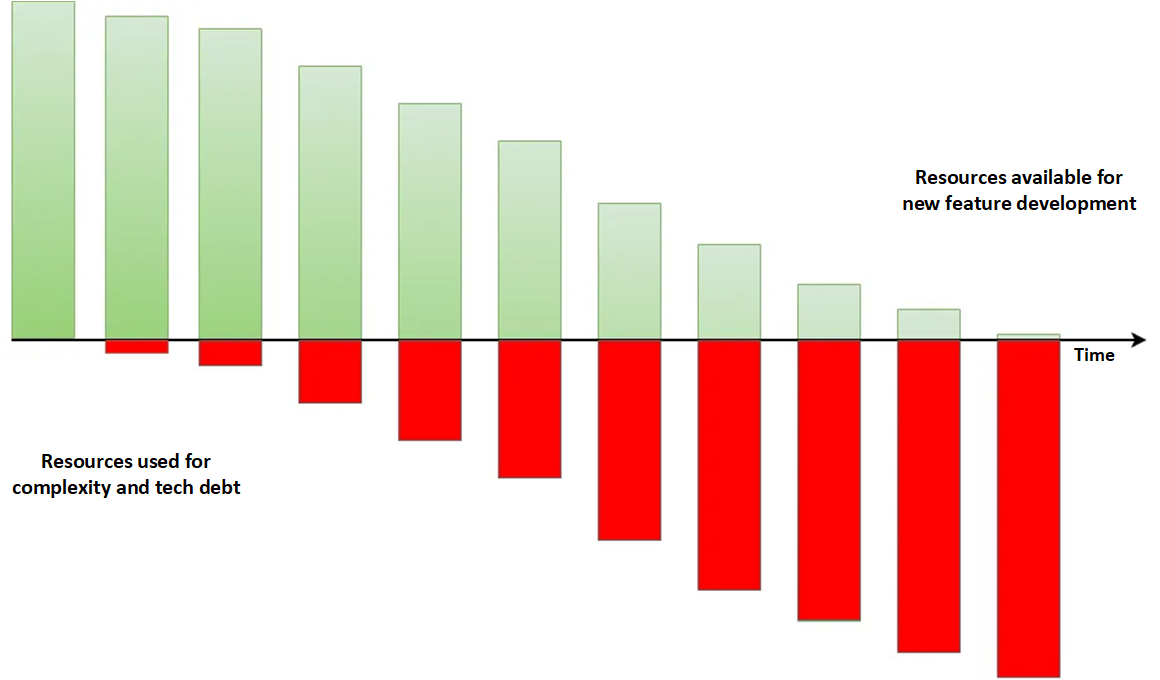
Technical debt—a term dreaded by engineers and business leaders alike—refers to the accumulation of suboptimal or short-term solutions in software development. It’s a byproduct of tight deadlines, resource constraints, and, sometimes, a lack of foresight. Over time, this debt can grow, slowing down innovation, increasing costs, and making it harder to keep up with market demands.
Compounding this issue is the chronic lack of engineering resources. Recruiting skilled developers is often expensive and time-consuming, particularly in competitive markets. This combination of mounting technical debt and limited resources can feel like an insurmountable challenge.
Enter software outsourcing—a strategic solution that can help your organization overcome these hurdles effectively. In this article, we’ll explore how outsourcing, and specifically Smoothshoring™, can help address technical debt, provide much-needed engineering resources, and ultimately drive your business forward.
Understanding Technical Debt and Resource Constraints
Before diving into solutions, it’s essential to understand the dual challenge:
- Technical Debt
- Common causes include rushed timelines, incomplete documentation, outdated technology stacks, and lack of code refactoring.
- Symptoms include slower feature delivery, increased maintenance costs, and higher defect rates.
- Long-term effects can cripple innovation and put your competitive edge at risk.
- Engineering Resource Constraints
- Difficulty finding qualified talent, especially for specialized roles like AI engineers, cloud architects, or DevOps specialists.
- Budget constraints limit your ability to scale in-house teams.
- Burnout and high turnover rates in existing teams due to overwhelming workloads.
Combining these two challenges can create a vicious cycle where existing resources are too limited to address technical debt, which in turn exacerbates resource constraints.
Why Software Outsourcing Is the Right Solution
Software outsourcing involves partnering with third-party teams or agencies to handle specific development tasks or entire projects. Here’s how outsourcing, and particularly Smoothshoring™, can directly address both technical debt and resource shortages:
- Smoothshoring™: The Next Evolution in Outsourcing
- Smoothshoring™ combines the best traits of Nearshoring and Offshoring, creating a smooth outsourcing experience that has all the benefits and none of the headaches.
- It combines the time zone alignment of Nearshoring while approaching the cost-effectiveness of Offshoring by utilizing bilingual US-based technical and program management.
- This hybrid model eliminates language and cultural barriers that often lead to miscommunication, making the outsourcing process seamless.
- Targeted Expertise for Immediate Impact
- Smoothshoring™ leverages offshore top tech talent to address technical debt with precision while ensuring you have a local interface for better collaboration.
- By using specialized teams, you can tackle legacy code modernization, technical audits, or cloud migration effectively.
- Scalable Resource Augmentation
- Smoothshoring™ gives you instant access to a pool of skilled engineers without the delays of recruiting, onboarding, and training.
- The approach provides flexibility to scale your team based on project needs while maintaining cost-efficiency.
- Focus on Core Business Priorities
- With Smoothshoring™, routine maintenance and technical debt resolution are handled by experts, allowing your internal team to focus on innovation and strategic priorities.
- Cost-Effective and High-Quality Solutions
- Smoothshoring™ strikes the perfect balance by utilizing offshore talent for development while leveraging US-based teams for oversight and leadership.
- This approach reduces costs without compromising on quality or communication.
- Leadership Development with Executive Coaching
- An integral part of Smoothshoring™ is Executive Leadership Coaching, which empowers your leadership team to excel in both internal and outsourcing management.
- Coaching improves decision-making, enhances communication, and helps build your dream development team.
Steps to Success with Smoothshoring™
While outsourcing offers immense potential, success depends on careful planning and execution. Here’s a step-by-step approach:
- Identify and Prioritize Technical Debt
- Conduct a technical debt audit to catalog issues, assess their impact, and prioritize them based on business needs.
- Identify areas where Smoothshoring™ expertise will be most effective—for instance, outdated frameworks, poorly documented APIs, or unoptimized databases.
- Choose the Right Smoothshoring™ Partner
- Look for partners with a proven track record in delivering smooth outsourcing experiences.
- Evaluate their technical expertise, ability to provide bilingual US-based management, and their understanding of your industry.
- Define Clear Objectives and Scope
- Outline the goals of the engagement, whether it’s code refactoring, platform migration, or performance optimization.
- Ensure alignment on deliverables, timelines, and key performance indicators (KPIs).
- Establish Communication Protocols
- With Smoothshoring™, US-based program managers act as your point of contact, ensuring clarity and eliminating barriers.
- Use tools like Slack, Jira, or Trello to maintain transparency and accountability.
- Integrate with Your Internal Team
- Smoothshoring™ ensures cultural alignment and seamless integration with your team.
- Treat the outsourced team as an extension of your own, fostering collaboration and knowledge sharing.
- Monitor and Evaluate Progress
- Track progress against predefined KPIs to ensure the project stays on track.
- Use feedback from both internal teams and Smoothshoring™ partners to continuously improve processes.
Real-World Success Stories
Example 1: Legacy System Modernization with Smoothshoring™
A mid-sized e-commerce company was struggling with a monolithic legacy system that was costly to maintain and limited their ability to scale. By leveraging Smoothshoring™, they refactored and migrated to a microservices architecture. The US-based managers ensured smooth communication, while offshore teams delivered high-quality work, reducing downtime by 40% and improving scalability.
Example 2: Resource Augmentation for a FinTech Startup
A FinTech startup faced delays in product development due to a lack of specialized blockchain expertise. Smoothshoring™ provided the necessary talent with local oversight, enabling the startup to launch their product on time. Executive Leadership Coaching helped their management team enhance collaboration and make better strategic decisions.
Example 3: API Optimization for a Social Media Platform
A fast-growing social media platform struggling with a slow and poorly documented API leads to frequent system outages and delays in feature updates. By partnering with a Smoothshoring™ team, the company can quickly refactor and optimize their API. Offshore engineers tackle the technical debt, improving the API’s performance and scalability, while the US-based managers ensure clear communication and fast decision-making. This optimization improves the platform’s uptime and makes it easier to roll out new features.
Example 4: Mobile App Revamp for a Retail Brand
A retail brand with an outdated mobile app facing complaints about poor user experience and frequent crashes can utilize Smoothshoring™ to refactor the app’s code, implement better error handling, and improve the overall user interface. Offshore developers refactor the mobile app, while US-based managers kept the project aligned with brand vision and user needs. The revamped app will lead to increased customer engagement and boost in sales.
Example 5: Automated Testing Implementation for a SaaS Provider
A SaaS company with frequent bugs and long release cycles experiencing challenges with its testing processes can engage Smoothshoring™ to help implement an automated testing framework, which offshore engineers develop and integrate into the Continuous Integration/Continuous Development (CI/CD) pipeline. US-based managers ensured that the implementation meets business requirements. This results in faster release cycles, reduction in defects, and more efficient use of internal resources for innovation.
These example success stories highlight how Smoothshoring™ helps organizations address technical debt, improve system performance, enhance user experiences, and ultimately drive business growth through targeted expertise, efficient project management, and seamless integration.
Addressing Common Concerns About Outsourcing
- Loss of Control
- Mitigation: Smoothshoring™ ensures control through US-based program managers who act as a bridge between your team and offshore talent.
- Quality Assurance
- Mitigation: Smoothshoring™ partners bring industry best practices, rigorous testing protocols, and continuous oversight to guarantee quality.
- Security Risks
- Mitigation: Smoothshoring™ includes robust access controls, compliance with industry standards (e.g., GDPR, HIPAA), and confidentiality agreements.
Conclusion
Technical debt and resource constraints don’t have to hold your business back. With Smoothshoring™, you can address these challenges effectively, freeing up your team to focus on innovation and growth. This hybrid outsourcing model combines the best aspects of Nearshoring and Offshoring while adding the unique benefits of bilingual US-based management and Executive Leadership Coaching.
By carefully selecting a Smoothshoring™ partner and establishing clear goals, you can turn technical debt into an opportunity for transformation. With top technical talent, seamless collaboration, and enhanced leadership, your business will be on the road to success.

 12min
12min


